Sourdough, Bread of the Pandemic: Some Notes and a Recipe

The pandemic has prompted three pretty significant food-related changes in my life. 1. I started a vegetable garden and a compost pile. 2. I keep chickens in my backyard. 3. I bake sourdough bread. I am by no means alone in any of this. In fact, these three things are so ubiquitous that they are pandemic clichés, at least with the suburban set. But they are each wonderful things even so. I have developed a deep love of gardening, and I find my chickens to be endearing little pains in the ass, but I have nothing useful to contribute on either topic. I do have some thoughts on sourdough though. And I also have a simplified version of that epic Tartine Bakery recipe, below.

Sourdough and the Pandemic

People sure did turn to baking sourdough bread during the pandemic. Pre-pandemic, I wasn’t especially fond of sourdough, and I baked bread exactly never, but after the stay-at-home order started, baking sourdough bread became a goal. This was inspired by the self-sustaining, self-reliant qualities we associate with sourdough, I suppose. The ability to make more and more starter, and more and more bread, with nothing more than flour and water (and salt for the bread). It’s the same impulse as growing your own vegetables and keeping chickens. Potential (or actual) food shortages be damned, we were going to eat.

But there was something more going on with bread than just that desire to provide. Bread is more than just sustenance; it’s more elemental. There’s a quote from the French playwright Jean Anouilh that goes like this: “I like reality. It tastes like bread.” I might say that I like bread because it tastes like reality: not reality as in things as they exist, but reality as in the state of being real. Bread is a way to connect to what is genuine. When faced with everything being upended, like what we faced this past Spring, connecting to the most basic and elemental things was a great comfort.

Because I was by no means alone in my impulse to bake bread, there wasn’t a bag of flour to be found for weeks after lock down began. Desires for specifics like King Arthur’s unbleached organic flour were frivolous. Flour was as precious as toilet paper. What’s perplexing is that sourdough recipes, especially the Tartine Bakery recipe I modify below, blow through quantities of flour that were obscene at that time—like someone telling you to burn your precious toilet paper to keep warm….

There was also the matter of the starter. Contrary to what some sources indicate, flour and water that you mix and then leave out on your kitchen counter for days may not undergo a magical transformation into a bubbly, happy colony of lactobacilli. I tried several times to make my own starter, but was never able to get it going. Then, a friend gave me some of her 8-year-old starter and I have succeeded in not killing it. In fact, I have shared it with several people who likewise were not able to start their own.

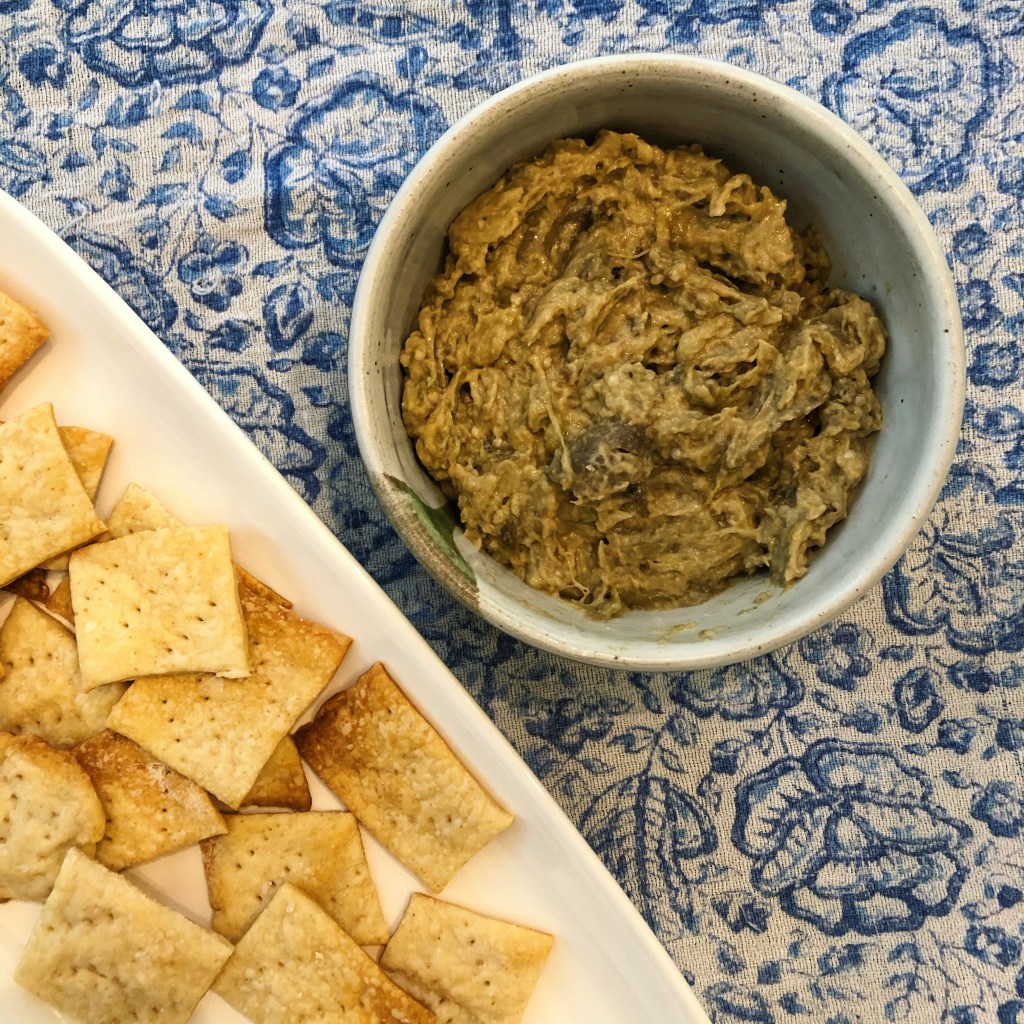
Once I had some active starter, next came fears about keeping it alive and flourishing. Did I need to keep it bubbling and constantly expanding? Keeping it active like that means lots of feedings, which in turn means lots of excess starter, unless you are baking lots of loaves. I was not. So I, like many others, started doing things like using excess sourdough starter (aka discard) for baking, suffering the indignities of things like sourdough muffins. (That said, if you find yourself needing to use up excess starter, I did find one recipe that was amazing: https://www.kingarthurbaking.com/recipes/sourdough-crackers-recipe. See image below.) Nowadays, I don’t really have much excess starter. And I don’t remotely keep my starter bubbling; it sits in a cold fridge most of the time.

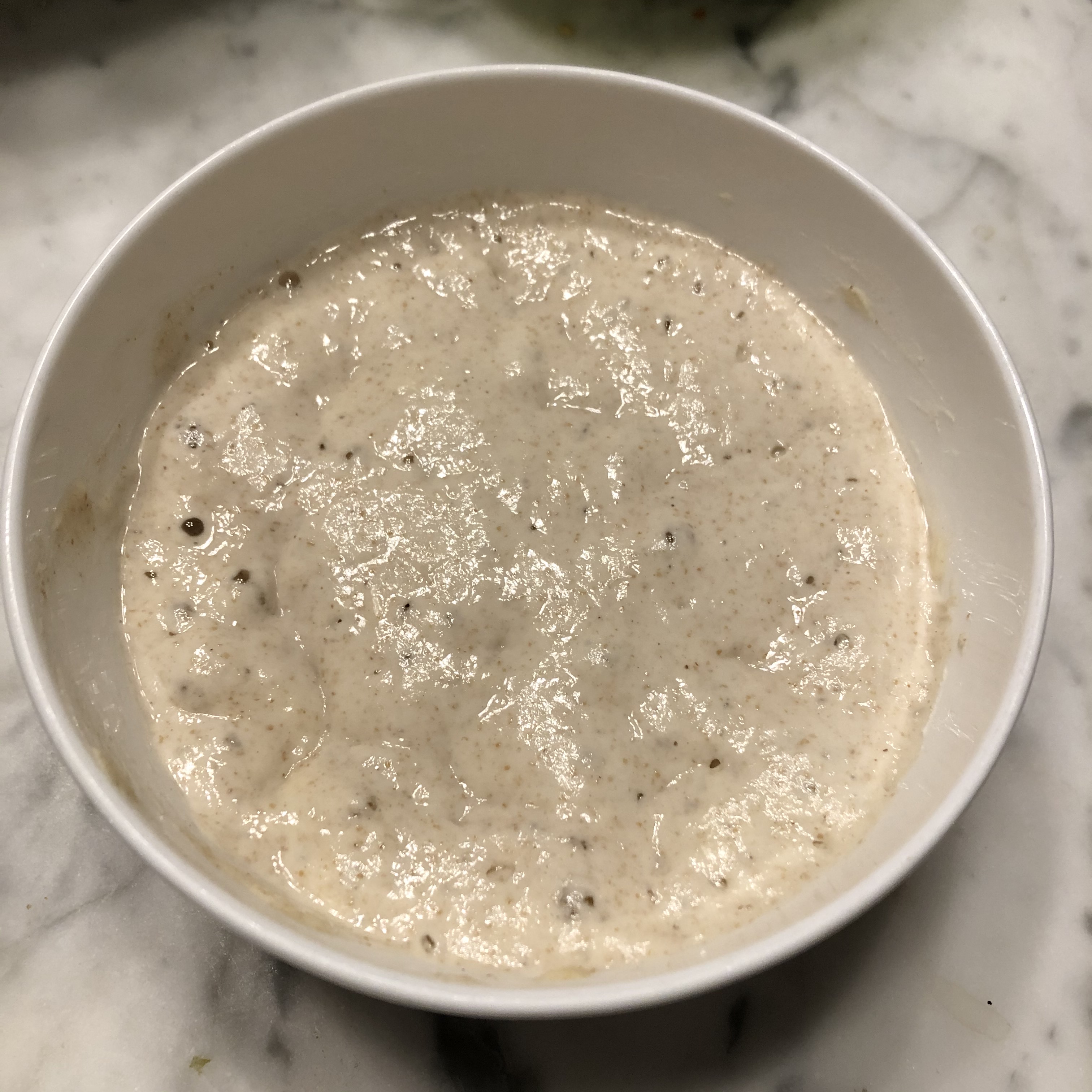
Active starter, compliments of someone else
Those sourdough crackers, here with baba ganoush

Even though there’s still a raging pandemic in the U.S., there is always ample flour at the grocery store. And while I no longer have the same primal motivations to bake my own bread, I still make the sourdough about once a week. When a loaf comes out of the oven and has cooled a bit, my husband, my daughter, and I always gather around for the first still-warm slice, spread with butter and sprinkled with salt. It’s our tradition now. And it’s lovely. A pandemic silver lining, compliments of the colony of lactobacilli living in our refrigerator.

Okay, enough about that. Let’s get to the bread baking! 

The Recipe I’m Modifying

I primarily use the Tartine Bakery country bread recipe that was featured in The New York Times back in 2014, and which you can find it on the Tartine Bakery site (https://tartinebakery.com/stories/country-bread). After baking it a bunch, I cut some corners. It’s still very good, and I think my approach should take some of the intimidation out of making it. This is my simplified version. If you’ve been aspiring to make this recipe, or sourdough in general, maybe it’ll be helpful.

What You Need

Before you start, you’ll need sourdough starter. I am assuming your starter has been in the fridge. If you do not have sourdough starter, ask for some from someone who does have it. I’m quite sure they’ll share. It’s what sourdough people do. If your starter is bubbly and active and ready to use, you can skip over “Waking Up Cold Starter” below.

You’ll also need a kitchen scale. You must weigh your ingredients; measuring by volume is just not okay.

You’ll also need a Dutch oven, like a Le Creuset. This bread, like that Sullivan Street Bakery no-knead bread that swept the universe almost 15 years ago, needs to be baked in a Dutch oven. I use a 5 1/2 quart Le Creuset.

Flour. I use a mix of unbleached white and whole-wheat flour from King Arthur.

Water.

Salt. The recipe calls for fine sea salt. That’s what I use.

Parchment paper. Not essential, but I very highly recommend it. It makes life much easier—and safer—when cooking the bread. Note: Parchment paper is not the same thing as wax paper. Do not use wax paper.

Time. The way I lay it out here, it’s going to take you about 26 hours from taking your starter from the fridge to placing a baked loaf on a cooling rack. Start on one morning, bake the next morning. Worry not—most of that time, the dough is in the fridge and does not need you at all.

What to Do

Waking Up Cold Starter

This adaptation of the Tartine Bakery recipe makes one loaf; the original recipe is for two loaves. One of the perplexing things about this recipe is getting the timing right. The very long and complex recipe can make it hard to get your head around. I’ll assume you want bread on a late Sunday morning. So, we are going to start Saturday morning by taking the sourdough starter out of the fridge (if you want bread on a Wednesday, take the sourdough out on Tuesday, obviously, and so on). Assuming you have about a cup worth of starter, give it 25 grams warm water and 25 grams flour. If the quantity of your starter is a little skimpy, feed it more—maybe 40 or even 50 grams of each. If you have a lot, I’d still do 25 g each flour and water. Mix well. Cover the top of the container with a cloth napkin or tea towel, place it somewhere toasty, and let it wake up. I have found that I usually have some nice bubbles and a significant increase in volume in about 4 hours. Other times, I’ve had a sluggish starter after 4 hours, so I feed it again; you can discard some if you want, but I usually don’t bother. If you do feed it again, check back in 2 hours. If it’s looking bubbly and active, you’ll want to test to see if it’s ready to use. Take a small amount—about a teaspoon—and drop it into a cup of room-temperature water. If it floats, it’s ready to use.
Making the Dough

This part is going to take about 4 hours.

1. Put 100 grams of active starter (which is sometimes called levain or starter sponge) in a large bowl. Add 350 grams of warm water and stir to disperse the starter. I just use my fingers. (Note: Do not use all your starter! You need to save some to grow and use in future loaves.)

2. Add 400 g white flour and 100 g whole-wheat. (The real recipe calls for 450 g / 50 g, but I like a little more whole wheat.) Mix it well with your hands until the flour and water are integrated. It will be a sticky mess. Cover the bowl and let it sit for about 30 minutes.

At this point, feed what remains of your starter. Depending on the volume left, use somewhere from 25 to 50 g of flour and the same weight in warm water. Stir well and let it sit out on the counter for a half hour or so. Then cover it and slip it back into the fridge. It needs to be fed about once a week if it lives in the fridge. I feed it when I am ready to bake, but if you will not be using it for bread after a week, throw out a scoop of the cold starter before feeding the remainder again, then slip it back into the fridge for a week.

3. Add 10 grams fine sea salt and 25 grams warm water. Use your hands to mix the salt and water into the rest of the dough. Keep squishing the dough through your fingers until it all comes together as a ball, albeit a ragged, sticky one.

4. Cover the bowl loosely with saran wrap and move it to a warm place. Let dough rise for 30 minutes.

5. You will now fold the dough; you will do this 6 times over the next 2.5 hours. Moisten your hands with water. Uncover the dough. Grab the bottom edge/underside of the dough at the 6 o’clock position and pull it up to 12 o’clock. Turn the bowl 90 degrees clockwise and do the same thing—grab the underside at 6 o’clock and pull it up to 12. Again, turn 90 degrees, grab and pull up. Then one last time, a 90-degree turn and a pull of the dough from 6 to 12 o’clock. That’s it. Put the saran wrap back on top of the bowl, put it in a toasty spot, and go about your business.

Do this every half-hour for the next 2.5 hours. The dough will transform a bit, from a sticky mass to a soft, supple ball. It should be billowy and increase in volume 20 to 30 percent. This step is about 3 hours in total. If it doesn’t seem to have risen much, do a couple more increments of 30 minutes and fold.
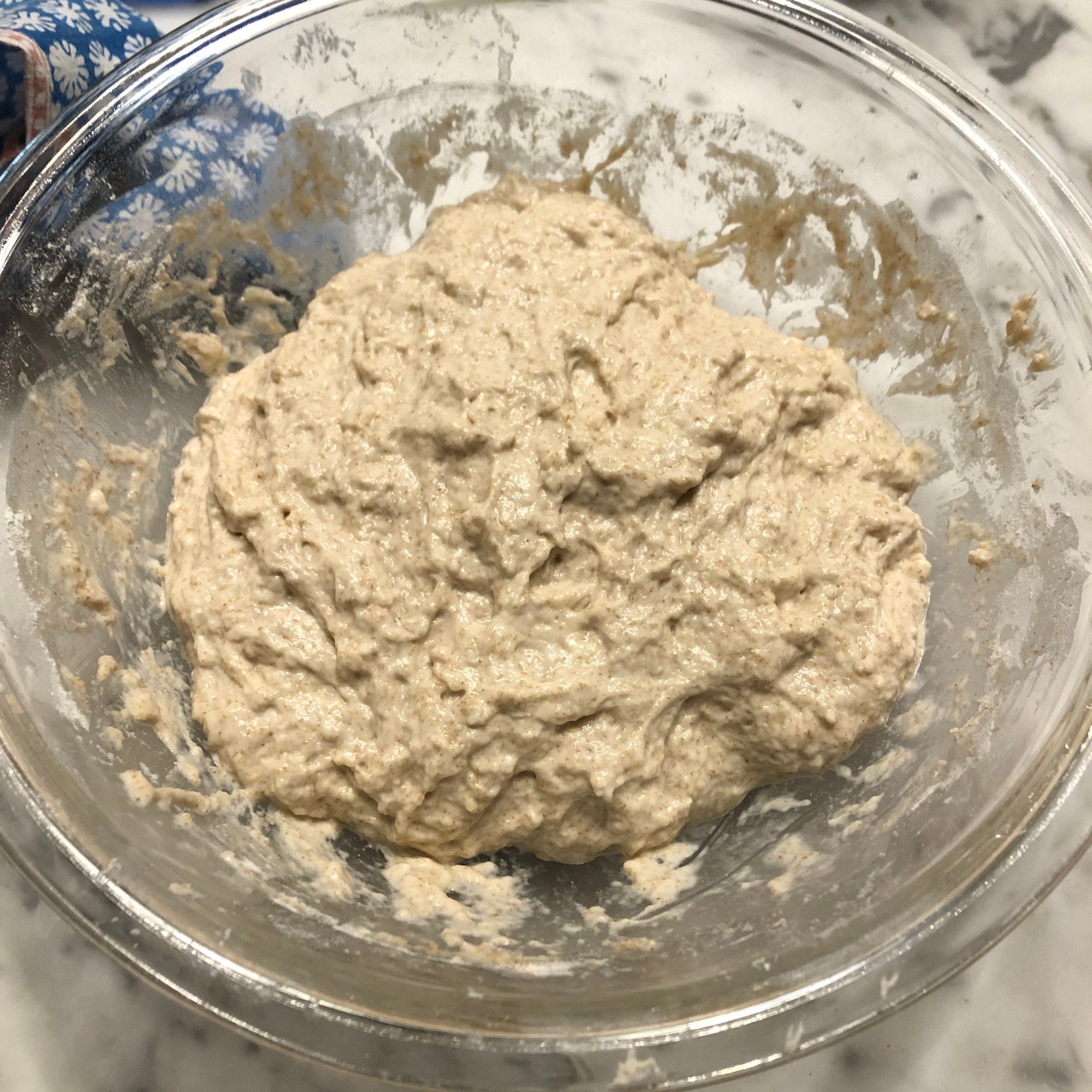
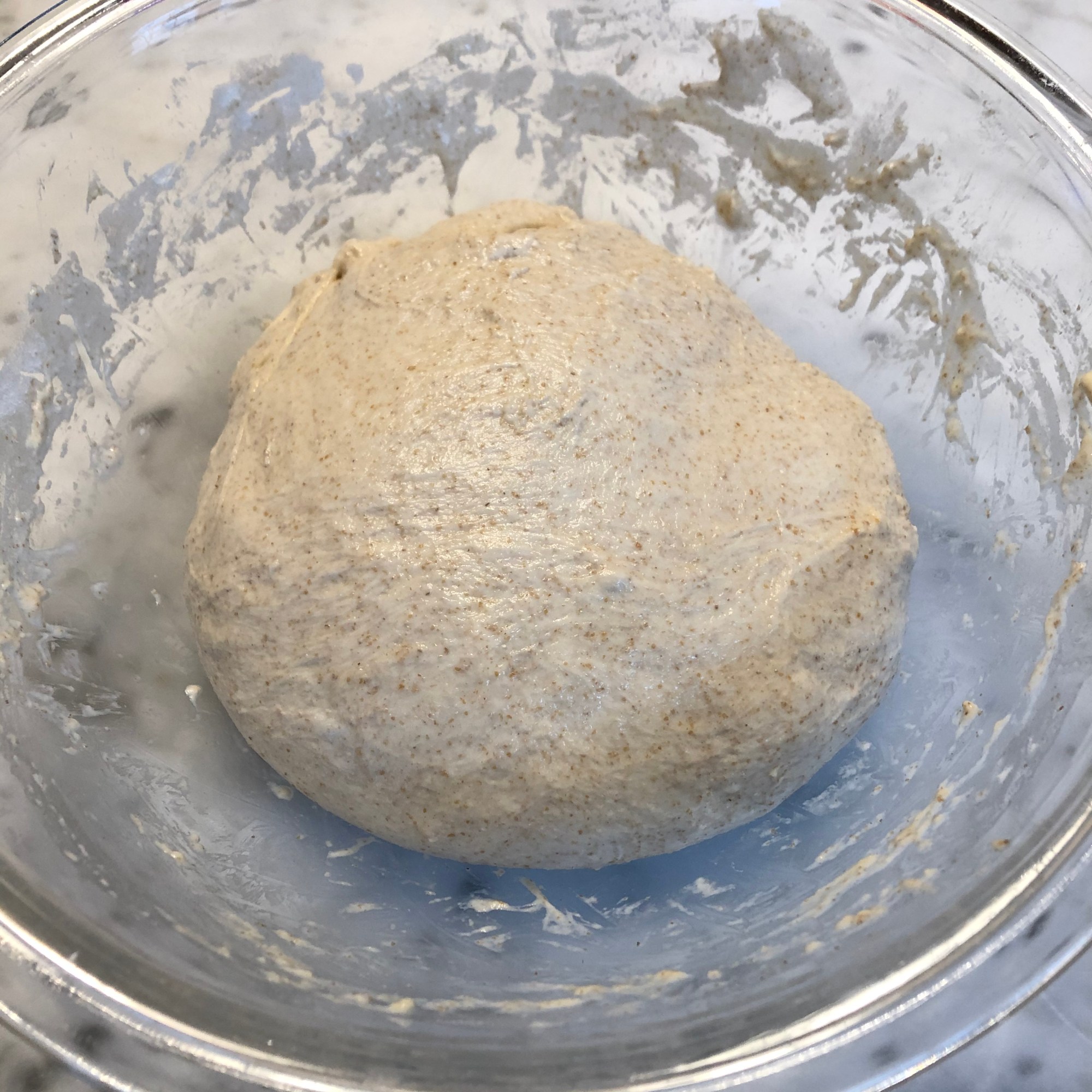
6. Here’s where I radically diverge from the Tartine recipe, where I cut some serious corners. At the three hours mark, I do one last folding of the dough. Then I sprinkle the top with some flour, pick it up, put the floured side down in the bowl, sprinkle what is now the top with some flour, put the saran wrap over the top, and put the dough in the fridge. You are done with dough for the day. Go do something else.

Next Day…

7. Wake up and take the bowl of dough out of the fridge. I then take the dough out of the bowl. Take a piece of parchment paper and put the dough ball onto it. Lift the parchment paper (and dough) and place it into another bowl, one that is not cold. We want the dough to come up to room temperature, and if it’s sitting in a cold bowl, it will take longer. Put the dough in a warm spot and let it sit for a while until it is no longer cool to the touch, it rises somewhat, and air bubbles start to appear—all signs the yeast is on the move again. I find this usually takes about 2 hours.

Baking the Dough

8. About 30 minutes before baking, preheat your oven to 450 degrees and place the empty Dutch oven or other lidded cast-iron pot in the oven with the lid on. The pot should be in the oven for about 30 minutes. We want the oven and the pot to be nice and hot. 30 minutes to heat the oven and pot

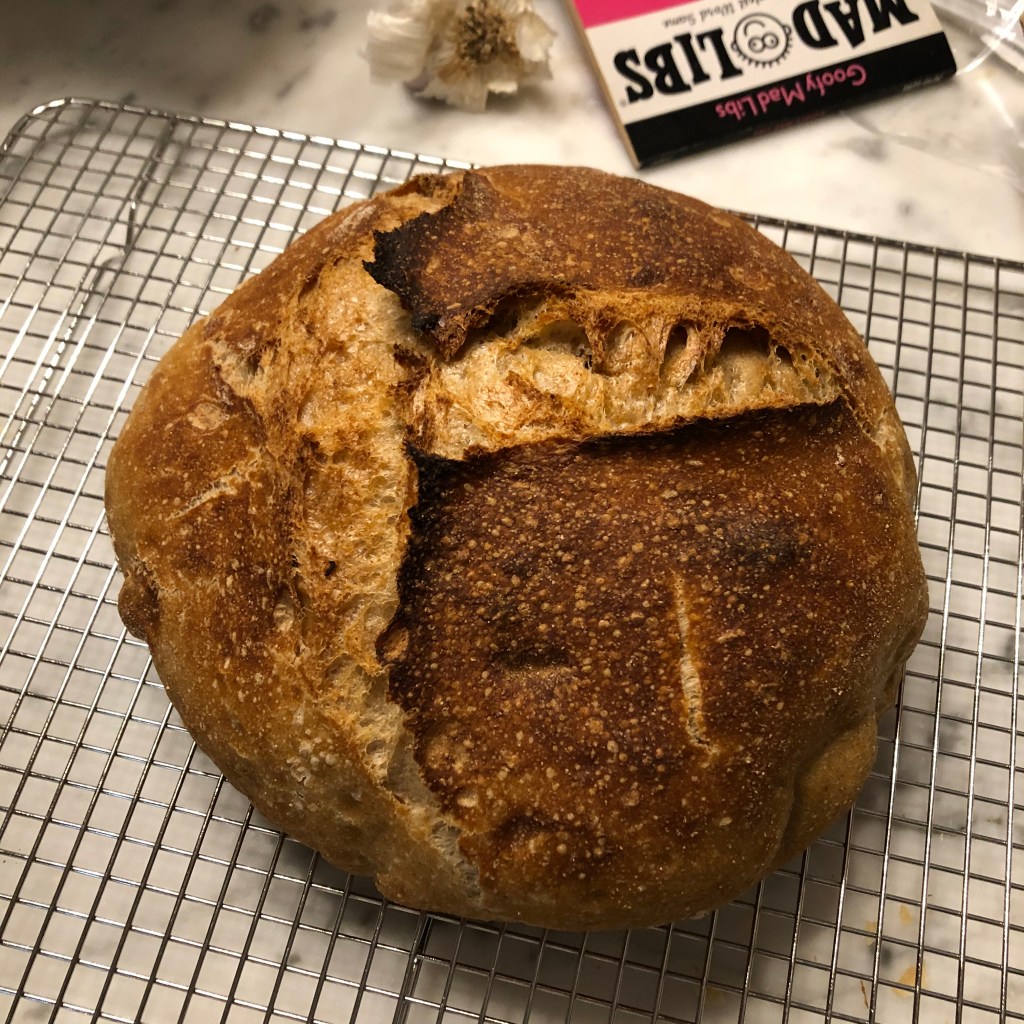
Meanwhile, dust a little flour on top of the dough, still nestled in parchment in the bowl. Using a very sharp knife, see if you can make a couple of shallow slits in the top. People make gorgeous designs with a lame (a blade made more scoring dough); I am not one of those people.

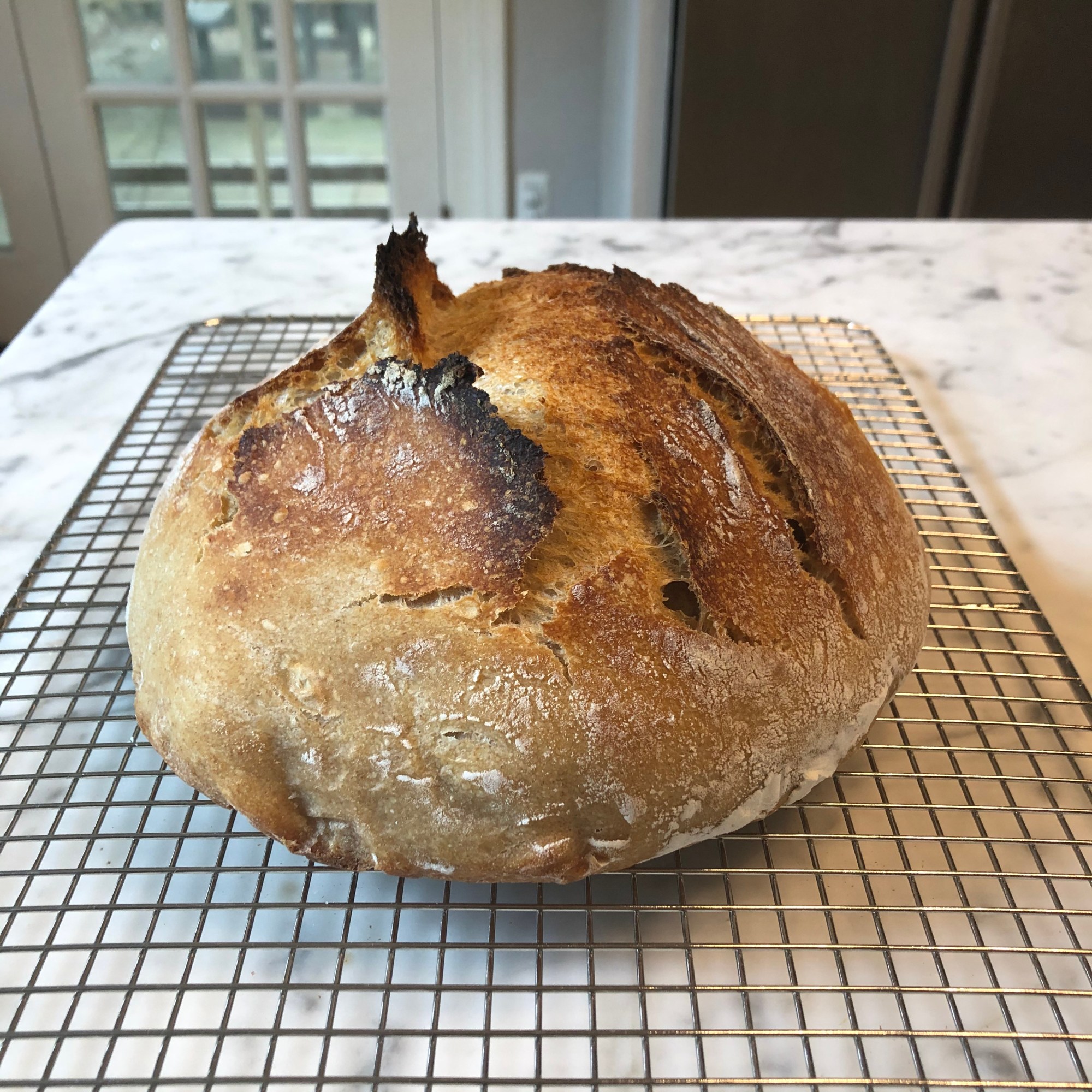
9. Very carefully remove the heated pot from the oven and remove the lid. Lift the parchment paper and the dough cradled therein from the bowl; place quickly into the hot pot. This is 450-degree enameled metal—be careful! Put the cover back on the pot and put the pot back in the oven. Cook for 20 minutes. Remove the lid and cook for another 20 minutes. It should be a lovely golden brown color with hints of dark brown. About 40 minutes to cook

10. Transfer bread to a wire rack, lifting it out of the pot by grabbing the parchment paper. Cool for at least 15 minutes before slicing. 15 minutes to cool

All that’s left now is to eat that bread!
Three Stones: Exceptional Mayan Food in Brattleboro, Vermont

IMG_1995

Three Stones restaurant occupies a tiny, unassuming space, barely noticeable as you wend your way into downtown Brattleboro, Vermont from I-91. But do not just drive by. Turn around, go in, and eat. Their food is exceptional. Better yet, make a reservation–there aren’t a lot of tables and it’s only open Wednesday through Saturday, 5 to 9 pm.

It’s a small space, with a bar up front, a small dining room, and a cozy, warm, festive outdoor space (which is likely not much in use during these winter months). The menu is small, offering only a handful of options, mostly traditional Mayan food. Everything we had was phenomenal. It felt like food prepared by a loving grandmother. So authentic, so homey, so delicious. I haven’t been that satisfied by a restaurant meal in a very long time.

The menu itself touches on the food culture of the Mayan people. Educational, and also very pretty! Here it is:

IMG_1990

IMG_1992

IMG_1993

IMG_1994(1)

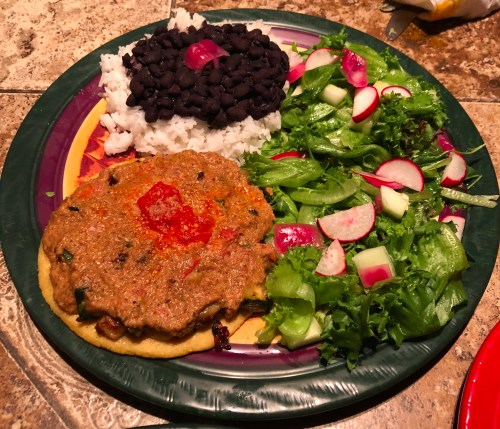
We tried the tortillas and the onzicil (pumpkin seed specialty) tortilla. We got three tortillas, choosing an uah (griddled tortilla) with ground beef, a salbute (deep-fried) with cochinita adobado, and a panucho (stuffed with refried beans and pan-fried) with pollo adobado. As the menu describes it, the adobados are “chicken or pork cooked in achiote, garlic and banana leaf.” We got all the toppings on each: cheese, beans, mild tomato salsa, tomatillo salsa, hot chile salsa, cucumber, red radish salpicon, and cebolla curtida (pickled red onions). The tortillas differed from one another in texture, taste, and thickness, but each one was earthy, comforting, filling, and satisfying. I was rather fond of the panucho, with it’s thin filling of refried beans adding savory depth to the flavor as well as a certain heftiness to the tortilla. I also enjoyed the salbute, the deep-fried tortilla, because, well, deep-fried things are generally delicious.

IMG_2007
From bottom left to top right, an uah (griddled tortilla) with ground beef, a salbute (deep-fried) with cochinita adobado, and a panucho (stuffed with refried beans and pan-fried) with pollo adobado; each includes all the toppings.

I was most excited to try the onzicil tortilla, which is a thick tortilla topped with sauteed zucchini and onions and then covered with a very thick sauce made from ground pumpkin seeds and tomato. It was delicious. The sauce, almost more like a paste, was nutty, earthy, and rich. The dish was rounded out with the fresh notes of the zucchini and the sweet notes of the sauteed onion. We also tried a chicken and cheese empanada, which was nice, if a bit prosaic.

img_20111.jpg

Chicken and cheese empanada

Though I rarely get dessert, we decided to get one of each of their two desserts. First was a boca negra, somewhere between a flourless chocolate cake and a chocolate pot de creme with a touch of chili pepper. It was warm, topped with whipped cream, and absolutely delicious, not too sweet and yet not overly bitter, with a lingering heat from the chili. We also got a dulce de leche, which was tasty and sweet. If you are going with just one dessert, I say make it the boca negra.

Boca negra

Dulce de leche

I so thoroughly enjoyed the food, and found it so comforting and (excuse the corniness) so filled with love. I recommend this place very highly. “Coox hanal,” which is Yucatec Mayan for “let’s eat.”

A Great New York Hot Dog Crawl, Part 1

New York City is known for many things, and many of those things are culinary. Somewhere on the long list of iconic New York foods is the humble hot dog. It won’t be the first thing on anyone’s list of great NYC foods, I imagine, but I doubt anyone would dismiss the idea that it rightfully belongs somewhere on that list.

I lived in New York City ages ago. And in my early and mid 20s, I had my share of late-night Katz’s hot dogs. Yes, the pastrami sandwich is amazing, but sometimes you want a hot dog, and they make a hell of a hot dog. I also partook in the occasional recession special at Grays’ Papaya: two delectable hot dogs and a papaya drink (now $4.95; I honestly can’t say what it was when I last lived there). I left NYC and took a somewhat circuitous path that ultimately led to Los Angeles, also a great hot dog city. Having spent well over a decade there, I hit all the hot dog highlights at some point (or many points): Pink’s, Dodger dogs, Carney’s, street dogs wrapped in bacon. I’ve been back on the east coast for a while now, reasonably close to the city, and it felt like it was about time to check out some of NYC’s most beloved hot dogs.

I hatched a plan with a cousin who lives on the Upper West Side to make our way through a list of the best hot dogs in the city from Gothamist. My husband, our (then) four-year-old girl, and I headed into the city to meet him and start eating our way through the top dogs of NYC. On the first trip, which was last Fall (I really need to post things faster), we tried Katz’s, Crif Dogs, and Feltman’s on St. Marks. [Sadly, that Feltman’s closed down in October because they outgrew the space. They are supposedly looking for a larger space around the East Village. In the meantime, you can get them in Coney Island at their main location by Luna Park; they are also served at Mikey’s Burgers on Ludlow Street and at McSorley’s on E. 7th. And you can buy them at supermarkets nationwide.]

Katz’s Delicatessen

205 E Houston at Ludlow

This was my favorite going into this crawl, and rightfully so. They know how to grill a dog at Katz’s. You can add some simple and straightforward toppings—mustard, sauerkraut, and onions, which are cooked down to practically melting in a slightly sweet tomato base. But it’s the hot dog itself that sings…a crisp, snappy skin encasing an incredibly juicy all-beef dog, just the right amount of salty and savory. The bun is simple, and it does its job. Yes, it’s a pain in the ass to be in Katz’s when the crowds are there. We were there on a Sunday afternoon around 1:30—of course it was going to be crowded. And yes, when the scent of that delicious pastrami infuses the air, it’s hard not to lured away from the grill line and into the vastly more crowded pastrami line. But trust me, the Katz’s hot dog is great. And anyhow, who said you can’t get a hot dog and pastrami?

Crif Dogs

113 St. Marks Place between First and Ave A

Crifs

The Crif dog is a house-made smoked beef and pork dog that’s deep-fried and served with the toppings of your choice. It’s also available grilled (the New Yorker) and there are a number of specialty dogs with toppings ranging from the expected to the unusual. The Crif dog is amazing—the deep-fried skin takes on a bacon-like texture and taste. And then there’s the bacon-wrapped Crif dog—extra crispy bacon on top of that already bacon-like hot dog skin. The hot dog itself takes on an almost sweet taste against that salty crispy exterior. And that, my friend, is sublime. Ultimately, I’m quite grateful this place didn’t exist when I lived in NYC and drank regularly in the East Village. I would have been here a lot. Oh, and the speak-easy Please Don’t Tell is accessed through the phone booth. So, go there, of course…or grab a Crif dog if you’re already at PDT.

Feltman’s of Coney Island

Previously of 80 St. Mark’s Place between First and Second; you can find them at 1000 Surf Ave, Brooklyn, NY 11224

Feltmans of Coney Island

Feltman’s is regularly chosen as the best hot dog in the city. They use all-natural, uncured beef hot dogs with no nitrates or artificial ingredients. The two brothers behind Feltman’s were inspired by Charles Feltman, inventor of the Coney Island hot dog (Frankfurter sausages on a bun) in 1867. The original Feltman’s grew from just a cart to a Coney Island institution, which stayed open until 1954. That original recipe for Frankfurters is used by today’s Feltman’s of Coney Island.

At Feltman’s on St. Marks, you order through a window outside the William Barnacle Tavern, a prohibition-era speakeasy with a gangster past, now an absinthe specialist. The spot is also home to Theater 80, a storied East Village theater. And also the Museum of the American Gangster. You can order your hot dog outside, then grab a seat at the bar and a drink. They’ll bring it in to you. Who knows, maybe there will be a performance going on in the theater (which is open to the bar). When we were there, a neighborhood ballet school was giving performances by their young students, who traipsed through the bar in pink tutus (true story, not absinthe-fueled reverie). Now that is one eclectic little slice of NYC.

Rosemary Flatbread Crackers

Rosemary Parmesan Flatbread Cracker

Who doesn’t love those rustic Italian rosemary crackers, so crispy, flaky, and salty? A calm evening between two snow storms seemed like a good time to give them a try at home. My daughter loves playing with dough, so we had a fun time making them together.

Rosemary Parmesan Flatbread Cracker 2

I used this recipe, originally from Gourmet magazine: https://www.epicurious.com/recipes/food/views/crisp-rosemary-flatbread-242841.

The recipe calls for splitting the dough into three pieces and cooking them one at a time. I rolled the dough out extra thin, since I was looking for a very light and crispy texture. I added a little parmesan to the second and third rounds. You could add whatever you’d like…maybe crushed red pepper, seeds, other herbs, and so on.

Rosemary Parmesan Flatbread Cracker 3

I served them along with tapenade and hummus. They would be lovely with a soft cheese and a spread like fig jam. They’re also great just on their own.


Brussels Sprouts, Bacon, and Grapes: Three Variations (One Without Bacon)

img_5496

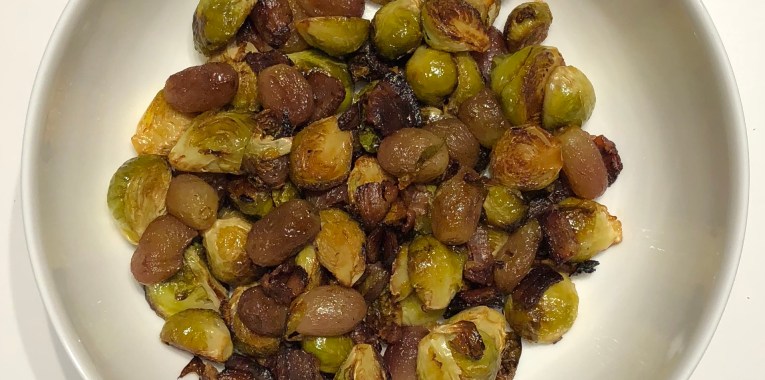
Brussels sprouts and bacon are a perfect match, a marriage of bitter, sweet, salty, and smoky, of crisp and soft, chewy and tender. They can be roasted together or cooked separately and combined before serving. When roasted together, the Brussels sprouts cook in the bacon fat and, well, while not the healthiest choice, they sure do taste good. This amazing flavor combination can be deepened with the addition of whole grapes. As they roast, they transform into a deep, mellow sweetness, and that adds a robust new flavor to the dish. A perfect forkful combines all three ingredients. Eat them on their own or as a side dish. If so inclined, add a little crown of whatever cheese tastes right to you.

Here are three variations: the first is the most luxurious; the second, a middle ground; and the third, bacon-less and arguably healthy.

1. Decadent Brussels Sprouts, Bacon, and Grapes

You’ll need:

◊   1 pound Brussels sprouts

◊   3 slices good bacon

◊   1 cup grapes, any color (feel free to include more or less than this, depending on how much sweetness you like)

◊   A small amount of olive oil

◊ ◊ ◊ ◊ ◊ ◊ ◊ ◊ ◊ ◊ ◊ ◊ ◊ ◊ ◊ ◊ ◊ ◊ ◊ ◊ 

Preheat oven to 400 degrees.

Trim the bottom of the Brussels sprouts and cut them in half lengthwise. Add to a roasting pan or sheet pan. Then add in the grapes whole. Pour a very small amount of olive oil over the Brussels sprouts and grapes and use your hands to ever-so-barely cover (we will be roasting the bacon in the pan, which will add lots of fat in which the ingredients will cook, but this bit of olive oil will help them along until the bacon has rendered). Cut bacon strips into pieces about 1.5 inches long. Add to roasting pan. Don’t crowd the pan; everything should be more or less in a single layer. Mix together the ingredients and put the pan in the hot oven.

After about 5 minutes, take it out of the oven and move the ingredients around to start to distribute the bacon fat. Then, place the pan back in the oven. Check every 5-10 minutes to move the ingredients around and monitor for doneness. You want the bacon crisp and rendered, the sprouts softened with a rich brown char and crisp outer leaves. The grapes  will wrinkle and shrink a bit, but they won’t break open unless you are too rough when mixing…so be gentle! They should be done after 30-35 minutes.

img_5490

img_5499

2. Less Decadent Brussels Sprouts, Bacon, and Grapes

You’ll need:

◊   1 pound Brussels sprouts

◊   3 slices good bacon

◊   1 cup grapes, any color (feel free to include more or less than this, depending on how much sweetness you like)

◊   Olive oil

◊  A little kosher salt

◊ ◊ ◊ ◊ ◊ ◊ ◊ ◊ ◊ ◊ ◊ ◊ ◊ ◊ ◊ ◊ ◊ ◊ ◊ ◊ 

Preheat oven to 400 degrees.

Trim the bottom of the Brussels sprouts and cut them in half lengthwise. Add to roasting pan or sheet pan. Then add in the grapes whole. Don’t crowd the pan; everything should be in a single layer. Pour olive oil over the Brussels sprouts and grapes and use your hands to lightly coat them. Sprinkle with a little bit of salt and put in the hot oven. After ten minutes, take them out of the oven to check how fast they are cooking and move them around in the pan. Check them every five to ten minutes, and move them around as you see fit to ensure even cooking. But be gentle, trying not to break any grapes. They’ll roast for about 30-35 minutes, or until the Brussels sprouts look softened and have a rich brown char and crispy outer leaves, and the grapes have reduced in size and look a bit shriveled.

While the Brussels sprouts and grapes are roasting, cut the bacon strips into 1.5-inch long pieces. Cook in a frying pan on the stove top until fat is rendered and the bacon begins to crisp up. Place on paper towel to remove excess oil.

When the Brussels sprouts and grapes are done, add in the bacon pieces and gently mix them all together.

3. Pretty Healthy Brussels Sprouts, Grapes, and Walnuts

You’ll need:

◊   1 pound Brussels sprouts

◊   1 cup grapes, any color (feel free to include more or less than this, depending on how much sweetness you like)

◊   Olive oil

◊   Kosher salt

◊   About 3/4 cup walnuts, preferably halves, but large pieces are fine

◊ ◊ ◊ ◊ ◊ ◊ ◊ ◊ ◊ ◊ ◊ ◊ ◊ ◊ ◊ ◊ ◊ ◊ ◊ ◊ 

Preheat oven to 400.

Trim the bottom of the Brussels sprouts and cut them in half lengthwise. Add to roasting pan or sheet pan. Then add in the grapes whole. Don’t crowd the pan; everything should be in a single layer. Pour olive oil over the Brussels sprouts and grapes and use your hands to lightly coat them. Sprinkle with kosher salt and put in the hot oven. After ten minutes, take them out of the oven to check how fast they are cooking and move them all around. Check them every five to ten minutes, and move them around as you see fit to ensure even cooking. But be gentle, trying not to break any grapes. They’ll roast for about 30-35 minutes, or until the Brussels sprouts look softened and have a nice golden brown char and crispy outer leaves, and the grapes have reduced in size and look a bit shriveled.

While the Brussels sprouts and grapes are roasting, spread the walnuts across a sheet pan in a single layer. Place them in the oven to toast for about five minutes, moving them around and flipping them at least once to ensure even toasting.

When the Brussels sprouts and grapes are done, add in the walnut pieces and gently mix them all together.


Maine: Some Notes on What We Ate, Part 3, Camden

IMG_2766

Our trip to Maine included a few days in Camden, a picturesque town on Penobscot Bay. Long a summer playground for wealthy vacationers, the town’s notable cultural attractions include the Camden Opera House and the Camden International Film Festival. You can stroll along the couple of blocks of Main Street, tucking in and out of shops that range from run-of-the-mill souvenirs to high-end home furnishings and clothing. There are many options for sailing out onto the bay. If you want to do some hiking, there’s Mt. Battie and the higher Mt. Megunticook, both of which offer gorgeous views. And then there’s the food…

Long Grain

20 Washington Street

IMG_2595

Long Grain is a much lauded, practically cult-status Thai restaurant in this tony coastal town. They’ve had coverage by The New York Times, Boston Globe, Bon Appetit, Saveur … you get the gist. The Times article, from 2012, starts by referencing Lotus of Siam in Las Vegas, a truly cult-status Thai restaurant, and that Gourmet article by the late, great Jonathan Gold in which he called Lotus of Siam the very best Thai restaurant in America. Needless to say, Long Grain was on the top of my list of places to eat in Maine, and my expectations were very high.

We ordered too much, as we usually do when we finally get somewhere we’ve been wanting to go. For appetizers: pan fried garlic chive rice cakes with sautéed bean sprouts and northeastern style Thai beef (nua nam tok). For mains: wide rice noodles with sweet soy sauce stir-fried with greens and pork belly (pad seaw) and beef panang curry with roasted red peppers, bamboo shoots, and Thai basil. For dessert: coconut flan.

Nua nam tok matches spicy beef with refreshing herbs for a dish of diverse yet balanced flavors. The rice cakes were tasty, if a bit glutinous…and a bit oily.

IMG_2581

IMG_2578

The specialty curry was beef panang, a thick red curry with braised beef, topped with kefir lime leaves and Thai basil. The sauce is a profound marriage of flavors, including, among other things, chiles, lemongrass, and galangal, and is thicker and less sweet than iterations you might get elsewhere. It’s a lovely dish: rich, spicy, and nuanced.

IMG_2584

The pad seaw with pork belly uses their signature house-made wide rice noodles. I couldn’t believe how thick the noodles were—unlike any others I’ve ever had. I actually found them too thick (though, admittedly, I lack the necessary experience to know if this is how they should be). I was also struck by the fact that the greens (kale) were practically whole they were so large. And the pork belly was sliced very thin, which detracted from the best qualities of the cut—tender meat, soft fat that crisps up when rendered. All in all, the taste was very pleasant, with notes of sweetness and acid as well as heat from sliced red chiles, but the texture of the noodles, the tougher-than-expected pork belly, and the size and relative unwieldiness of the greens detracted from the dish.

IMG_2585

IMG_2587

We finished the meal with the one dessert they make—coconut flan.

IMG_2590

The restaurant itself is a wide-open space, airy and modern, just off Camden’s main drag. My husband and I marveled at how much empty space there was! There’s probably room in there to double the seating capacity. And given the number of people who want to eat here, I can hardly believe they don’t. And did you notice the dishes? An eclectic mix of dainty, floral, modern, and Asian. And there’s a small market to the side of the dining room where you can pick up some Thai/southeast Asian ingredients.

If I sound down on Long Grain, let me be clear that it is the best Thai food I have had on the east coast. I think they’re doing great things. They don’t seem to be changing their recipes for an audience they think will not be prepared for Thai food; rather, they are presenting the food in its full-flavored glory and trusting that the good people of (or, more likely, passing through) Camden will love it. The resounding verdict is that they do.


Boynton-McKay

30 Main Street

IMG_2708

Boynton-McKay is right in the middle of the short stretch of Camden’s touristy downtown. Opened in 1893 as a pharmacist shop, the space was transformed in 1999 into a restaurant serving breakfast and lunch. Boynton-McKay has impossibly high ceilings, loads and loads and loads of vintage charm, and a kitchen that offers lots of comfort classics. I loved this place the moment I walked in. You order at the counter in the back—the menu on a board above, some bakery items laid out before you, and a bustling prep area in full view—then grab a seat and wait. They make slow-roasted beef and pork that they use in things like tacos, sandwiches, Asian-flavored lettuce wraps, and burritos. They also have classic breakfast options, like eggs, hash, and French toast, and healthier plates, like steel-cut oatmeal and quinoa salad. Something for everyone. Oh, and they make bialys. That makes me happy. Go here.

We ordered a slow-roasted beef burrito, French toast, and a simple bacon and egg sandwich on an English muffin.

IMG_2666

IMG_2671

IMG_2667

IMG_2669


Drouthy Bear

50 Elm Street

Just south of Camden’s main drag sits the Scottish pub Drouthy Bear, which is as cozy as can be. It’s only been open since 2015, but the combination of classic pub ambience and a charming antique home make it feel like it’s been there for much, much longer. The menu offers Scottish/English classics (Scotch egg, haggis, pasties, bangers and mash) and American standards (burgers, nachos, Caesar salad). The standout for us was the chicken tikka pie—mild yet flavorful chicken tikka masala beneath a blanket of flaky puff pastry. And since it’s a Scottish pub, there were lots of great beers on tap and a long menu of whisky. This is the kind of place you want to be when a cold wind blows in off Penobscot Bay, warming up, tucking into a shepard’s pie, and sipping something delicious.


Zoot Coffee

31 Elm Street

IMG_2831

Zoot Coffee is a very nice coffee shop just down from the center of town (where Main Street turns to Elm). I sure enjoyed their iced espresso, and the baristas were absolute dolls to my daughter. Looking for coffee in Camden? This place does not disappoint.


Lovely Latkes

IMG_7697

Latkes are a cornerstone of Hanukkah for Ashkenazi Jews. People usually have strong opinions about their latkes, and variations abound. The more traditional recipes include shredded russet potatoes and onions, some egg and a little flour to bind them together, and some salt and pepper for flavor. Form into a loose patty, fry, and, voila, your basic latke. This version gets nice and crispy, especially the craggy edges. Other recipes call for more flour and matzo meal, making a thicker, more patty-like version, like you may see in a Jewish deli. They’re more substantial, and generally have a smoother appearance, which also means they tend to lack the crispy irregular edges. I like it when they fall somewhere in between. And as far as I’m concerned, they should always be served with sour cream and applesauce.

I make a version I adapted from the recipe in The 2nd Ave Deli Cookbook. If you follow their recipe exactly, it results in something like a potato kugel dressed up as a latke (in fact, I believe the ingredients are the same for both recipes, they’re just cooked differently). I decrease the matzo meal by half, up the salt, ditch the baking powder (so they get crispier), use a different kind of oil, and decrease the amount of the oil used in the mixture. I also collect and incorporate the potato starch from the shredded potatoes. It’s a natural thickener that I think improves the finished product.

I hope you enjoy them!

Potato Latkes

(liberally adapted from The 2nd Avenue Deli Cookbook)

2½ pounds potatoes

2 large onions

3 eggs, beaten

½ cup vegetable oil, plus a lot more for frying

1 cup flour

2½ teaspoons salt

¼ teaspoon ground black pepper

1 cup matzo meal

Applesauce and sour cream

Makes about 30 latkes about 2 1/2 inches across—the number of latkes the recipe yields will vary based on how thick and wide you make them.

  1. Peel and grate the potatoes. Strain to eliminate the excess liquid. I place the grated potatoes in a strainer over a bowl and press out the liquid, letting it collect in the bowl. You may have to squeeze the grated potato as well to really get the liquid out. When you pour the accumulated liquid out of the bowl, a layer of white starch will remain. Keep it! Add the starch to your mix.
  2. Grate the onions (do not drain) and add to the potatoes.
  3. Add the eggs, 1/2 cup oil, flour, salt, and pepper. Mix well. Add the matzo meal and stir until the mixture is well blended.
  4. Heat oil in a skillet over medium heat. It should be nice and hot. Test by tossing in a shred of potato. It should start to crisp up quickly. Spoon batter into the pan and press down a bit to flatten, if needed. Fry until the pancakes are a deep golden brown, turn, then flip and fry the other side. Drain on paper towel. (If you’re not going to eat them all right away, they freeze well.)
  5. Serve with applesauce and sour cream.

IMG_7685

Globavore Interview

Fresh Chickpeas
That time I bought a ton of (labor-intensive) fresh chickpeas at the Santa Monica Downtown Farmers Market, one of my very favorite markets 

I recently had the pleasure of answering 20 questions about food and travel for the Globavore Interviews, a project by the amazing travel writer Johanna Read (www.traveleater.net). Her goal with the project is “to get people talking and thinking about food and inspire them to travel and eat.” Here are a few of the questions she asks:

  • You’re at your favourite eatery with three companions (fictional, living or dead). Where (and when!) are you and who are you with?
  • Strangest meal you’ve ever eaten?
  • What are your favourite markets for a) eating b) finding unusual things and c) photography?
  • If money were no object, where (and what) would you eat?
  • Country / city where you’ve found the best food? The worst?

You can see my interview here: https://traveleater.net/2018/11/19/globavore-interview-rachel-leff-from-ten-kitchens/. Twenty-two travel/food writers have participated so far. You can see the whole list and more about the project here: https://traveleater.net/the-globavore-interviews/. She’s gathered a great group of writers who have given some fascinating answers. Check it out!

Maine: Some Notes on What We Ate, Part 2, Bar Harbor

IMG_2405

A few days visiting Acadia National Park was a primary purpose of our trip to Maine, so we found ourselves in Bar Harbor, which is nestled at the northeast corner of the seaside park. It’s an exceedingly picturesque town that swells with tourists, especially in the summer. There are gift shops and bed and breakfasts, and gift shops and a few more gift shops. There are also many restaurants. And while some are very popular, we were underwhelmed several times. But I’ll just talk about the things we liked.

IMG_2369

Side Street Café

49 Rodick St

IMG_2176

The lobster roll at this very popular Bar Harbor restaurant and bar was on the Eater list of the best lobster rolls in Maine, so we went to check it out. It includes the meat of two whole lobsters! My god! Along with that borderline obscene quantity of sweet, delectable lobster is mayo and old bay seasoning. While I’m usually in the plain-lobster-with-drawn-butter camp when it comes to lobster rolls, this was pretty amazing. The heat of the seasoning accentuates the sweetness of the lobster, and again, with so much lobster, how could I complain?

Coffee Hound Coffee Bar

27 Main St B

IMG_2367

In a part of town overrun by mediocre restaurants and souvenir shops, but also graced with exceptional harbor views, one might be skeptical about Coffee Hound Coffee Bar, and rightfully so. But I was very pleasantly surprised by their very satisfying cappuccinos. The owners are coffee enthusiasts, the baristas take their craft seriously, and the beans are from a local small-batch roaster in Maine. Check, check, and check.

My husband kindly picked me up a cappuccino from here and brought it back to the hotel. (He hates coffee, so yes, he’s very nice to do it.) We went back later in the day and I got another. The owner, Chris, was working both times. He recognized my husband and daughter, and I told him how pleased I had been with the coffee they brought back to me. We talked about the importance of a good coffee to start the day. And he shared a story with me…

A woman and her husband were staying at the West Street Hotel, a high-end hotel right on the waterfront, just a short walk from Coffee Hound. In the morning she sent her husband out to get her a cup of coffee, and explained to him that there was a place around the corner. He missed it and kept walking, until he came to a gas station. He got her a cup from there and walked it back to her. She was livid. Wrapped in her bathrobe, she escorted her husband to Coffee Hound and angrily explained that this was the place. When he came back to the coffee shop again the next morning, he mentioned to Chris that he had been banished to the couch of their $600-a-night room for his transgression. We had a good laugh. Now that’s a woman who understands the importance of a good cup of coffee, and now her husband does, too.

If you love coffee and you’re in town, check them out. They operate out of this location May through October.

West Street Café

76 West Street

IMG_2352

IMG_2349

After a walk across the Bar Island Land Bridge, up to the top of Bar Island, and back into town, we stopped at the West Street Café for lunch. I got a special that included a cup of clam chowder, a lobster roll, and a slice of blueberry pie; my husband, a salad; and my daughter, a hotdog and fries. The food was fine, though not great. I mention the restaurant here because the place itself was absolutely lovely, filled with light from full-length windows, with views of the picturesque waterside buildings along West Street and peeks of the harbor. A partial second floor at the front of the restaurant affords even better water views. We were there on a glorious day, and the restaurant opened their windows to let a gentle sea breeze sail into the airy dining room. Sitting there, I had one of those moments when I looked at my husband and daughter and felt so lucky, so grateful to the universe that I have them, that we have each other. So, while the chowder was a little bland and the lobster roll was a little lackluster, I still had a truly lovely lunch.

And also, importantly, West Street Café has what must be the very best lighting on the planet. The lighting in the bathroom—something I would not ordinarily mention—was borderline magical. Like, seriously, I doubt I have ever looked as good as I looked in there. Why can’t the entire world be lit like the ladies’ bathroom at West Street Café?!

Havana Parrilla

318 Main Street

Closed for the Winter season

IMG_2514

IMG_2515

(Sorry about the photos! The restaurant is very dark.) Havana Parilla is the more casual sister of Havana, located just to the side of the more formal restaurant’s entrance. Despite the name, Havana Parrilla is not a Cuban restaurant, but rather a pan-Latin tapas bar with a large outdoor grill area. The menu ranges from elotes and spicy tuna salad, on the lighter side, to mixed grill and steak. We tried the “sausage party,” which is a trio of grilled sausages, and the carnitas tacos, which were nice, if a tad bland. The staff is warm and knowledgeable, and the drink menu is full of local beers and ciders, great cocktails, and an approachable wine list. If we find ourselves back in Bar Harbor, we’ll make reservations at Havana. Their menu looks pretty compelling.

Maine: Some Notes on What We Ate, Part 1, Portland

IMG_2159

We traveled along the coast of Maine earlier this month, a trip we had toyed with taking for some time. My husband wanted to go to Acadia National Park. I wanted to eat some lobster rolls and check out some restaurants in Portland and Camden. I hadn’t been to Maine in probably 15 years; my husband had never been. Seemed like it was about time to go. We drove up to Bar Harbor, with an initial stop in Portland, then worked our way back down, through Camden, back to Portland, and to some of the beaches south of Portland on our way back home.

Pre-trip research into where to eat in Portland resulted in a long list of contenders. I could hardly believe how many amazing-sounding places had blossomed in this port town in the 15 or so years since I had been there last. And in addition to this robust food scene, it’s a major beer town, too. I couldn’t help but think of that other Portland, thousands of miles west.

Becky’s Diner

390 Commercial Street

We first stopped in Portland just for an early dinner, intent on making it up to Acadia National Park for the following morning, and knowing we’d be back for a longer stay at the end of our trip. The plan had been to try Eventide Oyster Co. or The Honey Paw, which stand side by side on Middle Street (and are owned by the same team), but the lines for each were prohibitively long. We’d also considered Portland Lobster Co., but it was packed, with a line snaking outside on Commercial Street, amidst throngs of tourists on a busy holiday weekend. Pass.

IMG_2164Driving along Commercial Street, away from the tourist shops and through a part of town that reminds you Portland is still an active commercial port city, we passed the very charming-looking Becky’s Diner. Seemed like our kind of place. I had come across the name on a list of best lobster rolls in the city, so we pulled into the lot, put in our name at the counter, and waited a little bit for a booth. (I have since realized that the diner has been featured in a lot of places: Road Food, Eater, Diners, Drive-Ins, and Dives…and more.)

Becky’s Diner is bright and friendly, without frills or pretension. It’s been open since 1991, serving dinner since 1993. As we walked to our booth, we passed tables where diners of all ages tucked into dishes ranging from burgers to pancakes to a very tempting twin lobster special.

IMG_2167

I got the lobster roll, a portrait of simplicity and tradition: plain cold lobster meat on a toasted bun with a side of drawn butter. We also got some clam cakes and a very satisfying seafood chowder, which was served in a chipped Becky’s Diner mug, thick and creamy and filled with haddock and whole scallops. Heaven.

IMG_2165

As we paid, we (or rather, my daughter) couldn’t resist the cookies in the case by the register. Off we went, a bag with a huge cookie shaped like a lobster topped with red frosting in hand.

Central Provisions

414 Fore Street 

IMG_2915

Upon our return to Portland, we had a lot of places we wanted to try. But a limited amount of time—much more limited than we had initially intended—meant we could really only get one great meal, and a lunch at that. We decided on Central Provisions. They don’t take reservations, but we arrived early in the lunch service. We got seated right away at a table for three in the front window, and a line started to form right after us. Phew.

IMG_2897

Central Provisions is a warm space with wood tones and brick walls, and a bar that overlooks part of the kitchen. Downstairs is a full bar and more seating. The menu is eclectic: seasonal (heirloom tomatoes and crab), playful (foie gras parfait, which is a dessert that pairs foie with custard and fruit gelée), classic (bone marrow toast, seared foie gras), wide-ranging (spicy raw beef salad), and homey (cole slaw, cheeseburger). We ordered chop salad (bacon, pickle, iceberg lettuce, and ranch dressing), fried cauliflower (with ras el hanout, chickpeas, feta, and herbs), baja fish sandwich (with avocado aioli, red onion, and lettuce), and a bacon cheeseburger. (Not the most adventurous choices on the menu, but we have to accommodate the tastes of a four year old, after all.)

IMG_2906

IMG_2901

IMG_2911

IMG_2914.jpg

The cauliflower was the standout. Its flavors—ras el hanout, mint, apple, feta—balanced each other playfully, creating a dish at once earthy and fresh, crisp and creamy. It was a lovely meal from a menu that springs from a team clearly committed to dynamic flavors.

The Holy Donut

7 Exchange Street & 194 Park Avenue

IMG_2879

At this Portland donut shop, a veritable culinary tourist attraction, the special ingredient is mashed Maine potatoes. We stopped in at the Exchange Street location on a Saturday morning and took our place in the long line. Holy Donuts has a charming story, growing from one woman making a dozen handmade donuts a day to be sold at Coffee by Design (a community-minded coffee roaster with a quartet of coffee shops as well as a certified B corporation—look it up, it’s very cool) in 2011 to three stores, almost 80 employees, and 2 million donuts a year—still all handmade—in March 2017, and still run by that same woman!

IMG_2876

IMG_2884

We went a little crazy and got six donuts: pomegranate, Maine apple, dark chocolate sea salt, maple bacon, toasted coconut, and sweet potato ginger glazed. Madness. We dug into the apple and pomegranate. They were moist and denser than most donuts, yet not heavy. They were less sweet than the garden variety as well. They were very good, but we would have struggled to finish two between the three of us, let alone six! So that box of donuts stayed with us for a few days….

To be honest, I’ve always admired donuts for their looks more than the way they taste. They can be so pretty and festive. The donuts here were simply gorgeous.

IMG_2877

HiFi Donuts

30 City Center

IMG_2872

Not terribly far from the Exchange Street location of Holy Donut is HiFi Donuts, a relative newcomer (they opened in May of 2017) to the Portland donut scene. As a differentiating factor, they feature biere donuts, which are made with beer and sourdough starter, which imparts a floral sourdough taste that tempers the sweetness. In addition to a biere specimen (not pictured), we also tried a HiFi French cruller, a honey dip, and a Simpsons—essentially a honey dip with glorious pink frosting and rainbow sprinkles…I’d classify that one as vibrant and beautiful for sure. That one was for the kid, and she enjoyed it. The cruller was light and custardy and the honey dip was a lovely specimen, though admittedly a pedestrian choice.

IMG_2858

Unlike their juggernaut neighbor, they also offer sandwiches. The breakfast menu consists of variations of breakfast sandwiches, like bacon or masala sausage with egg and cheese, and the lunch menu, sandwiches like peri peri fried chicken (an item I saw on quite a few Maine menus…) and eggplant panini.

Bard Coffee

185 Middle Street

IMG_2889

Exceptional coffee in an airy, open, bustling coffee shop. There are probably dozens of wonderful coffee shops in Portland. I went to Bard, loved it, and went back for more.